
Scuba diving in Thailand continues to attract divers from all over the world, and over the years I’ve seen very clearly why. It isn’t just the warm water or the tropical setting. It’s the combination of forgiving conditions, accessible training environments, and the sheer amount of time divers can spend in the water that makes Thailand such a strong place to learn and progress.
From the calmer sites in the Gulf of Thailand to the clearer, more dramatic reefs of the Andaman Sea, Thailand offers variety without overwhelming new divers. That balance is one of the reasons so many people take their first serious steps in diving here, and why many eventually decide to stay longer than planned.
Diving Conditions and Locations
One of Thailand’s biggest strengths is consistency. Water temperatures typically sit between 27–30°C throughout the year, which removes a major barrier for learning. When divers are comfortable, they relax faster, and relaxed divers learn better. That’s something I’ve watched play out repeatedly in training environments.
Visibility varies by location and season, but conditions are generally forgiving. This makes Thailand particularly suitable for those still developing core skills, awareness, and confidence underwater.
Beginners often start in places like Koh Tao or Pattaya, where sheltered sites and gentle conditions allow skills to develop without pressure. More experienced divers tend to move toward Phuket, Khao Lak, or the Similan Islands, where deeper reefs, stronger currents, and occasional drift dives introduce new challenges at the right pace.
Training and Progression Opportunities
Another reason Thailand stands out is the ability to complete a full range of PADI training in one place. Divers can start with an Open Water course, progress through Advanced and Rescue, and then move into professional training without having to change countries or environments.
I’ve trained many dive professionals who began their journey here because the emphasis is on experience and repetition, not rushing from one certification to the next. The training culture in Thailand tends to be structured but unhurried, giving divers time to absorb what they’re learning rather than just ticking boxes.
Spending extended periods in the water, assisting on courses, and observing real world training cycles builds confidence in a way that short, intensive programmes often can’t.
Marine Life and Underwater Variety
Marine life adds another layer to the diving experience in Thailand. Coral reefs support schools of fusiliers, snapper, and butterflyfish, while macro life such as nudibranchs, seahorses, and shrimp reward divers who take the time to slow down and look closely.
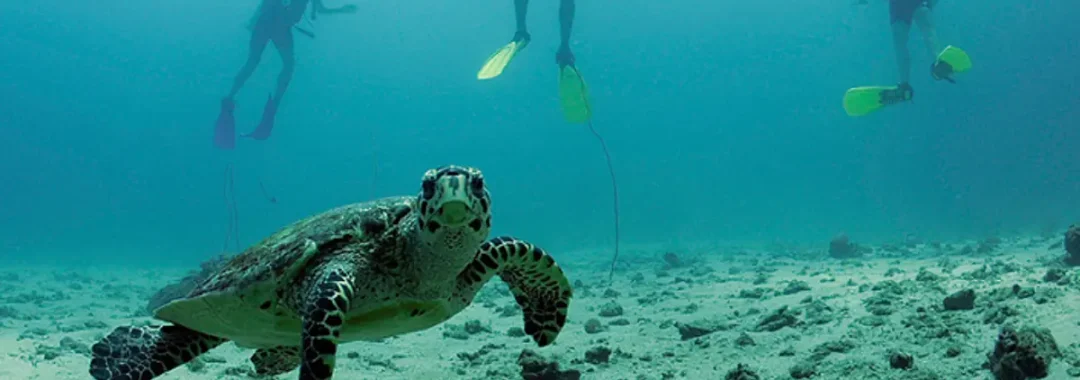
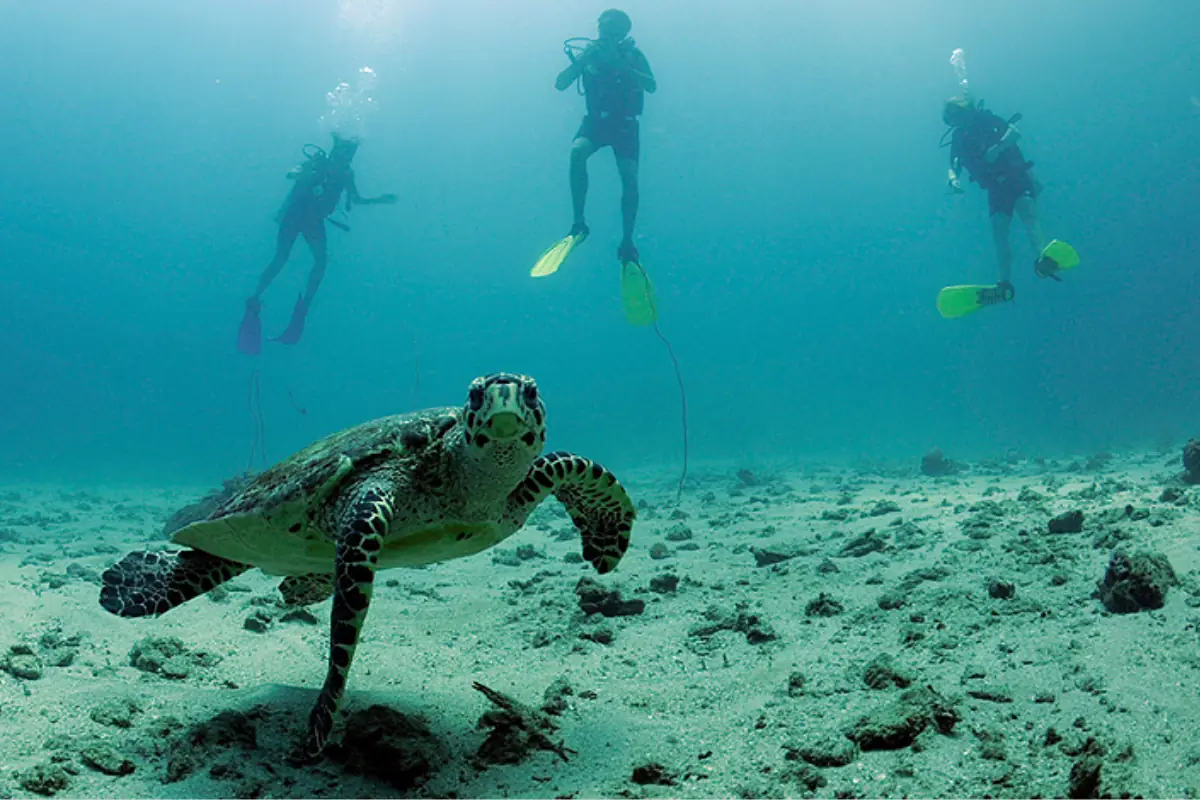
During certain seasons, larger encounters are possible. Turtles are regularly seen, and plankton-rich periods occasionally attract whale sharks. These moments are memorable, but what matters more for development is the variety. Divers learn to adapt their awareness and control across different environments, rather than relying on one type of dive.
Night dives reveal a completely different side of the reef, with octopus, hunting barracuda, and nocturnal species becoming active. For many divers, this is where their comfort and confidence really deepen.
Lifestyle and Practical Considerations
Beyond the diving itself, Thailand offers practical advantages that shouldn’t be overlooked. Travel is straightforward, living costs are manageable, and connections between islands and coastal towns are well established. This makes it easier for divers to stay longer, train properly, and avoid the pressure of trying to do everything in a short time frame.
Many divers choose to combine training with travel, exploring Bangkok or nearby islands before or after their courses. That flexibility is part of the appeal, but it’s the day-to-day rhythm of diving life that often leaves the strongest impression.
Dive centres tend to attract an international mix of travellers and professionals. For those considering a longer term path in diving, this exposure to different backgrounds and perspectives is valuable in itself.
Final Thoughts
Scuba diving in Thailand offers a rare combination of comfort, accessibility, and progression. Warm water, varied dive sites, and a strong professional training culture make it suitable for those taking their first breaths underwater as well as those considering a more serious future in diving.
For many people I’ve trained, Thailand wasn’t just a place to dive. It became the place where they gained confidence, experience, and clarity about where they wanted their diving to take them next.
To your future success:
Gary Phillips,
PADI Platinum - Course Director

